Welcome Jens
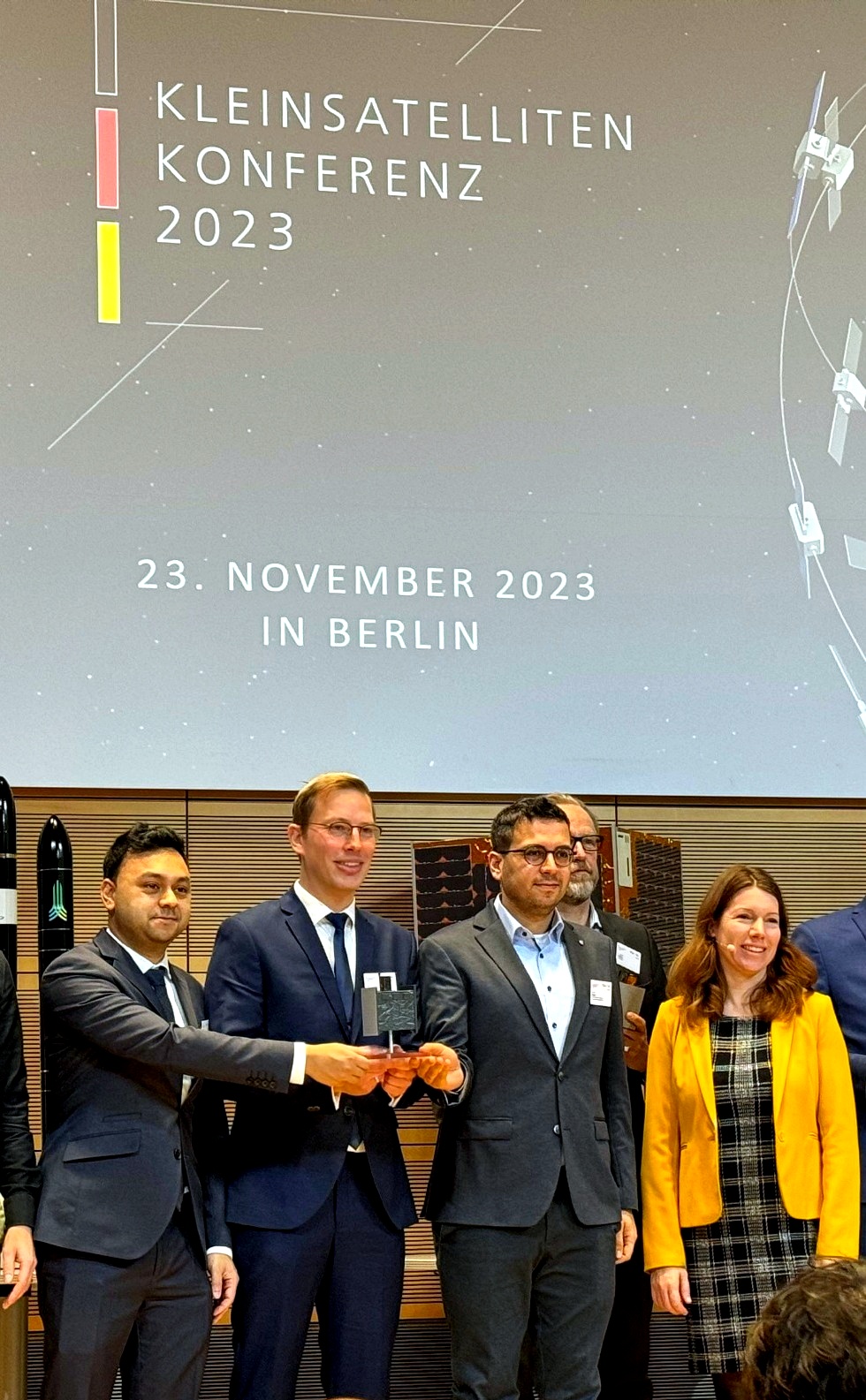
After nine incredible years at the Chair of Space Technology - TU Berlin, it is time for me to move on to a new chapter.
Few moments in engineering compare to hearing the first signal from orbit of a spacecraft your team built. 🛰️
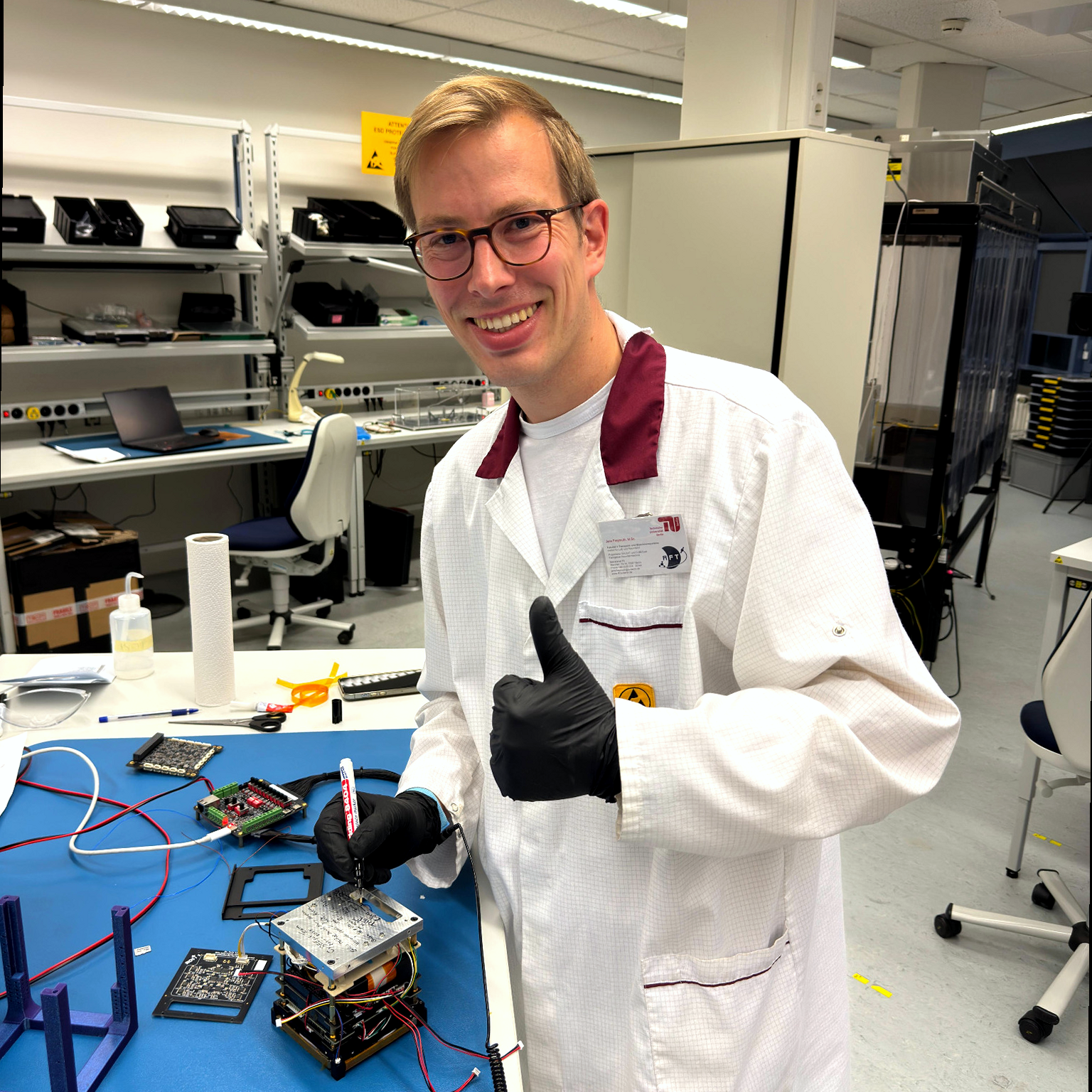
Behind that moment are countless hours in laboratories, integration facilities and control rooms: long evenings, weekends and sometimes entire nights spent troubleshooting hardware, testing software and preparing spacecraft for launch. Challenging moments, but also some of the most rewarding experiences of my career.
Together with brilliant colleagues I had the privilege to launch many missions:
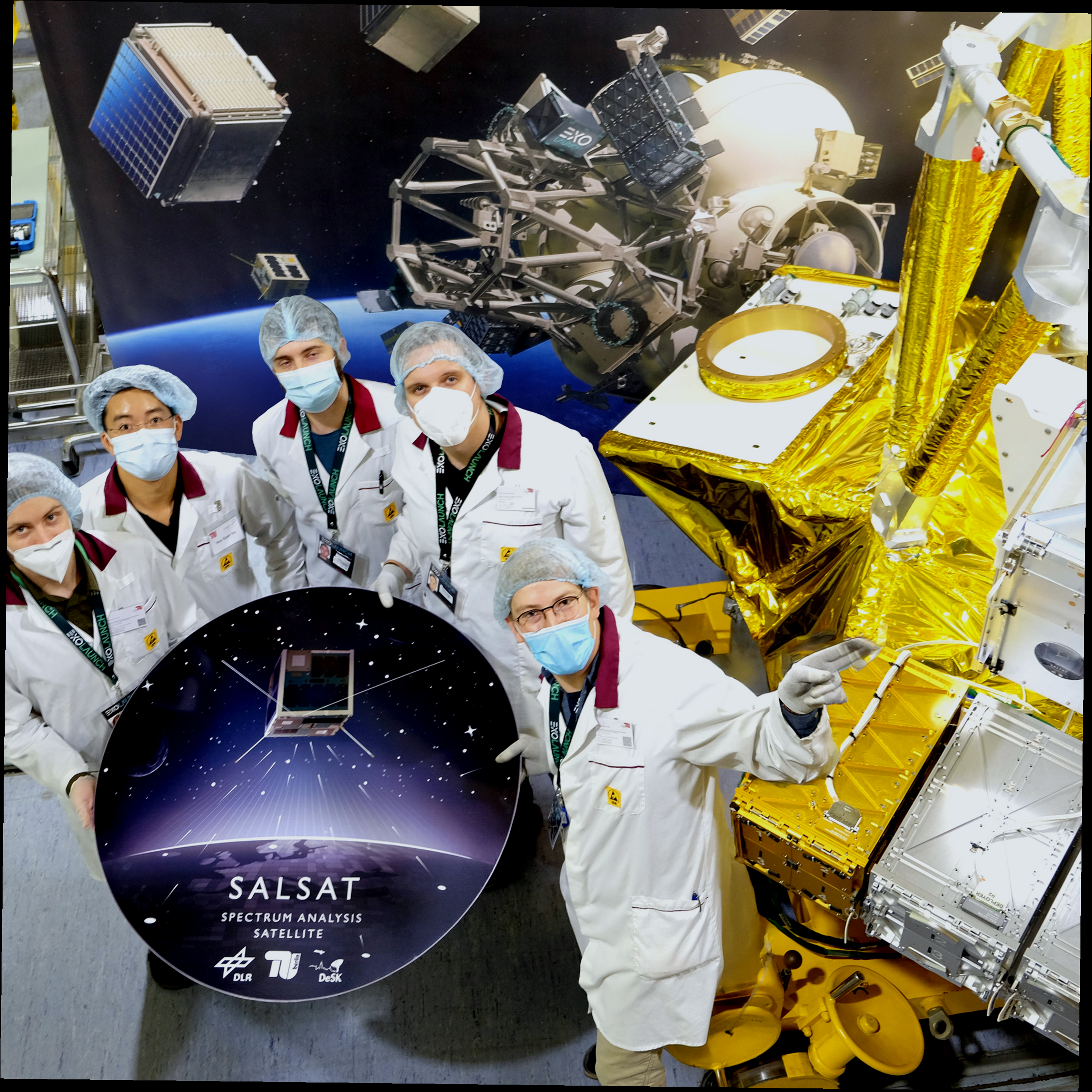
- SALSAT was developed and launched in just over two years in 2020 and recorded RF spectrum data from orbit for more than four years, creating an open dataset to better understand the use of the UHF amateur radio band.
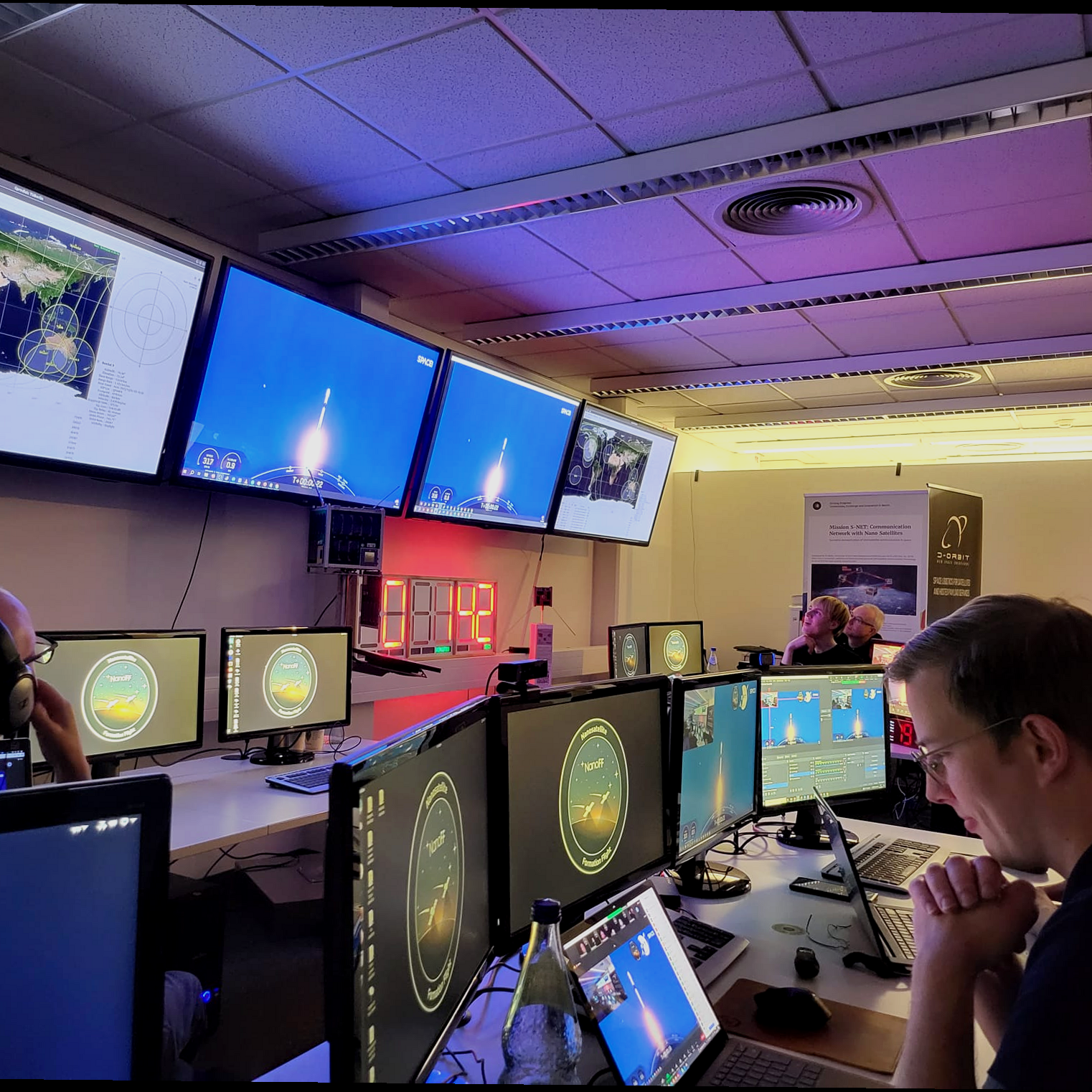
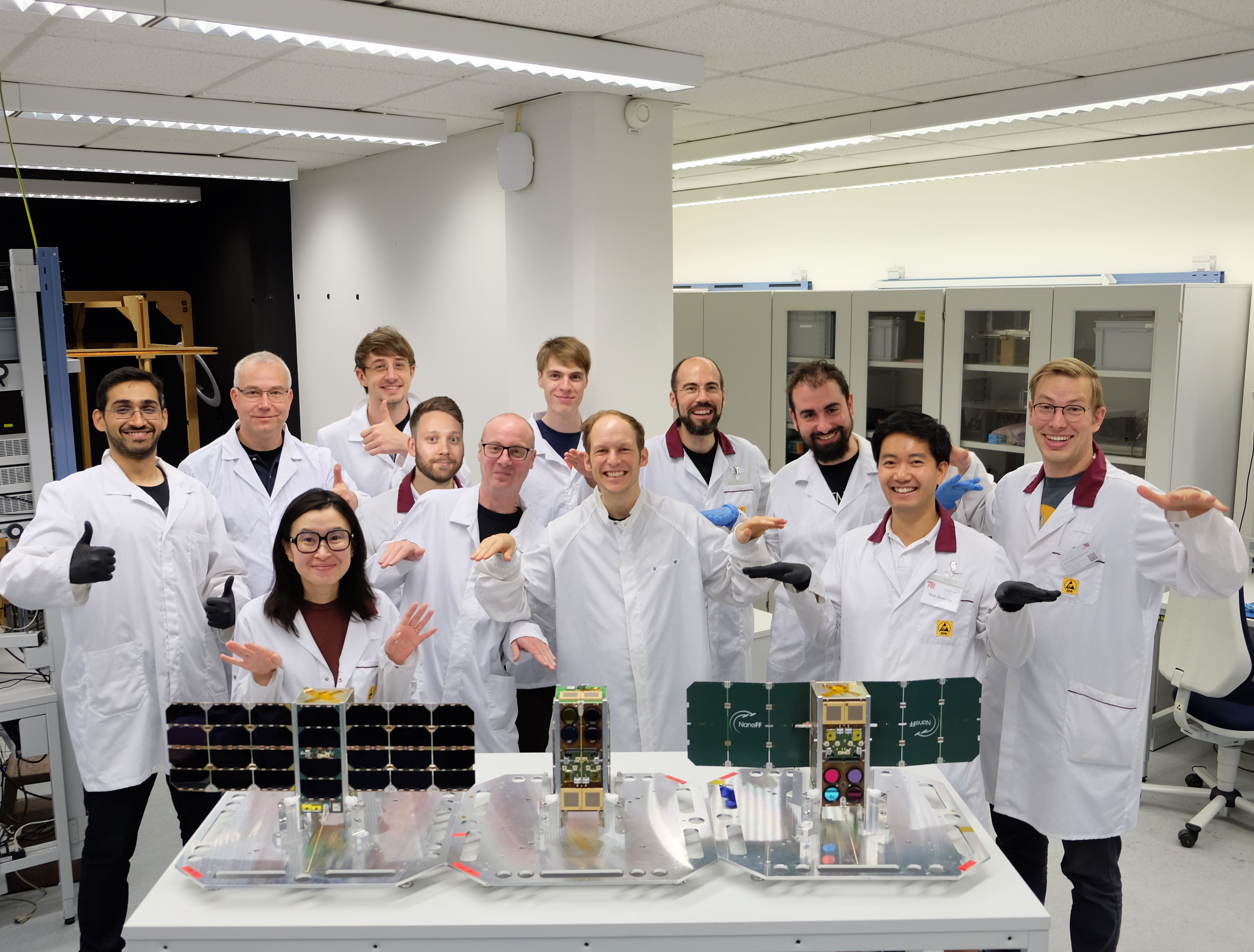
- NanoFF successfully launched two 2U CubeSats and demonstrated autonomous formation flight in a helix orbit in 2024.
- RACCOON develops robust satellite communication payloads and secure on-board software for future space systems, including the open source Linux based “RACCOON OS”.
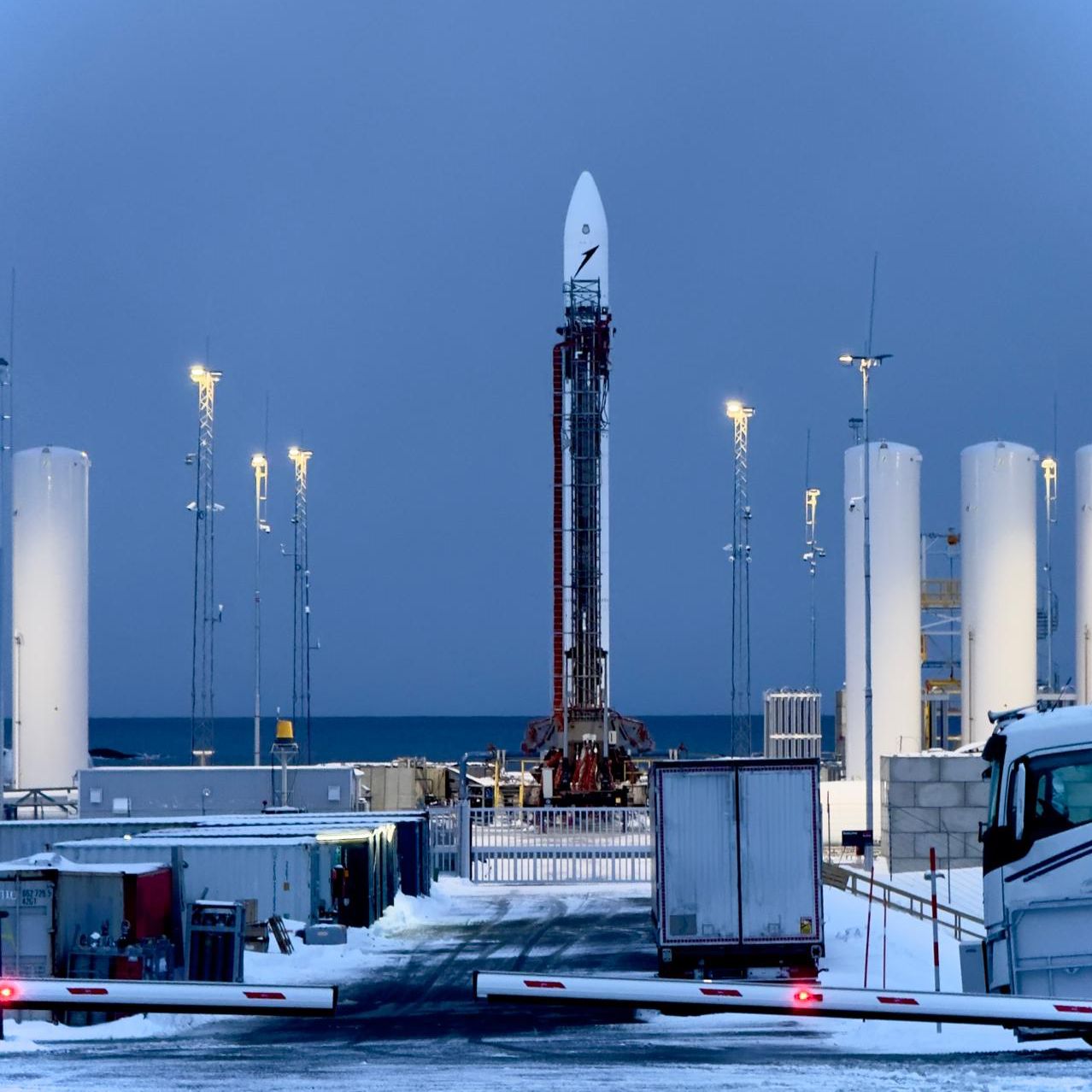
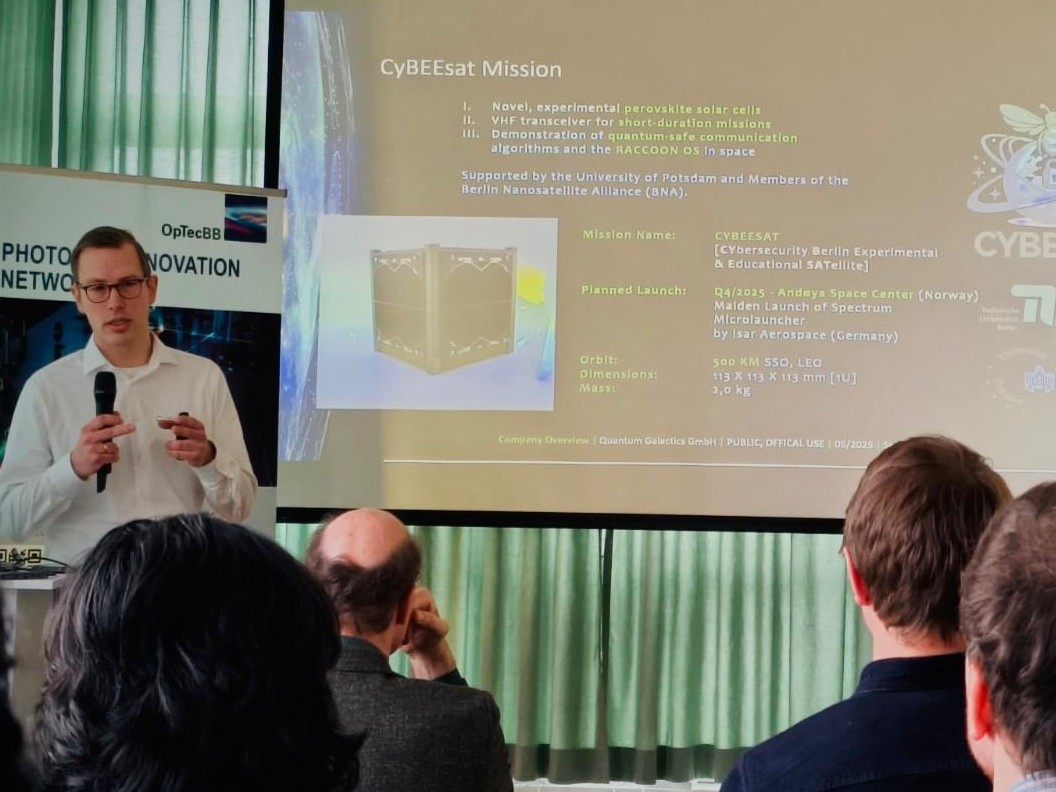
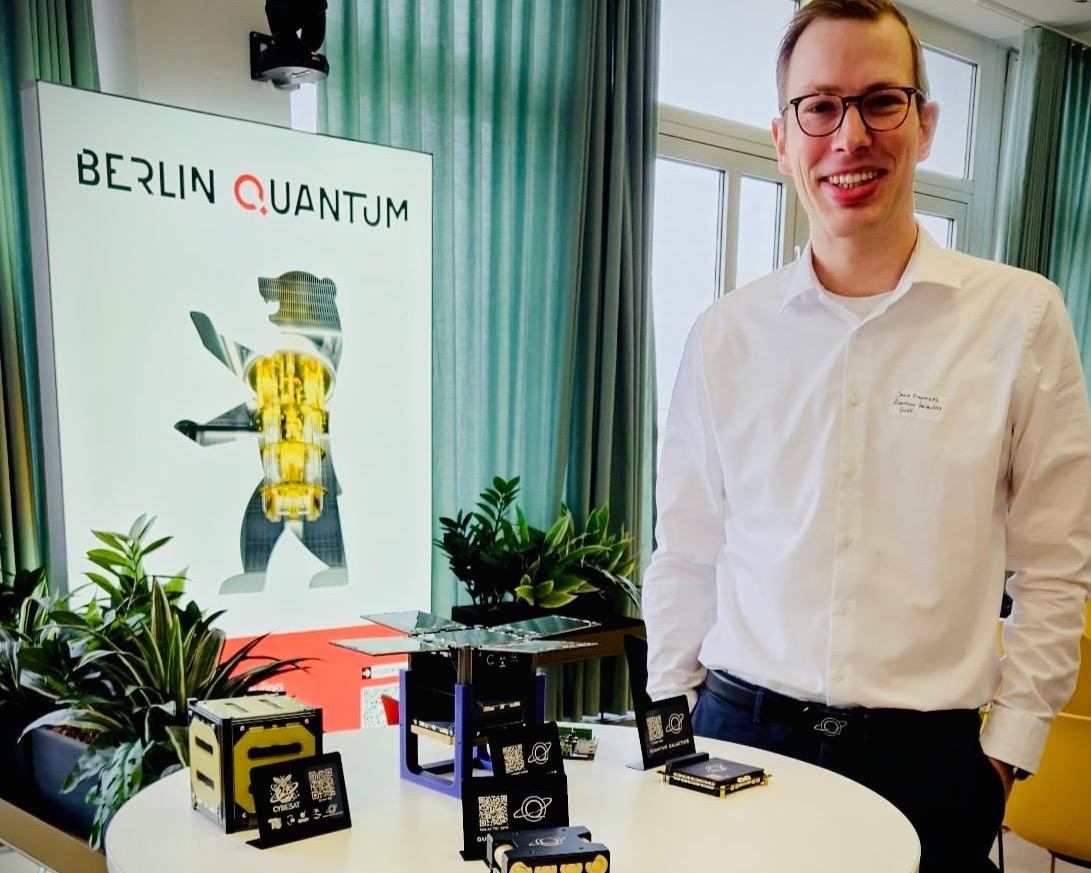
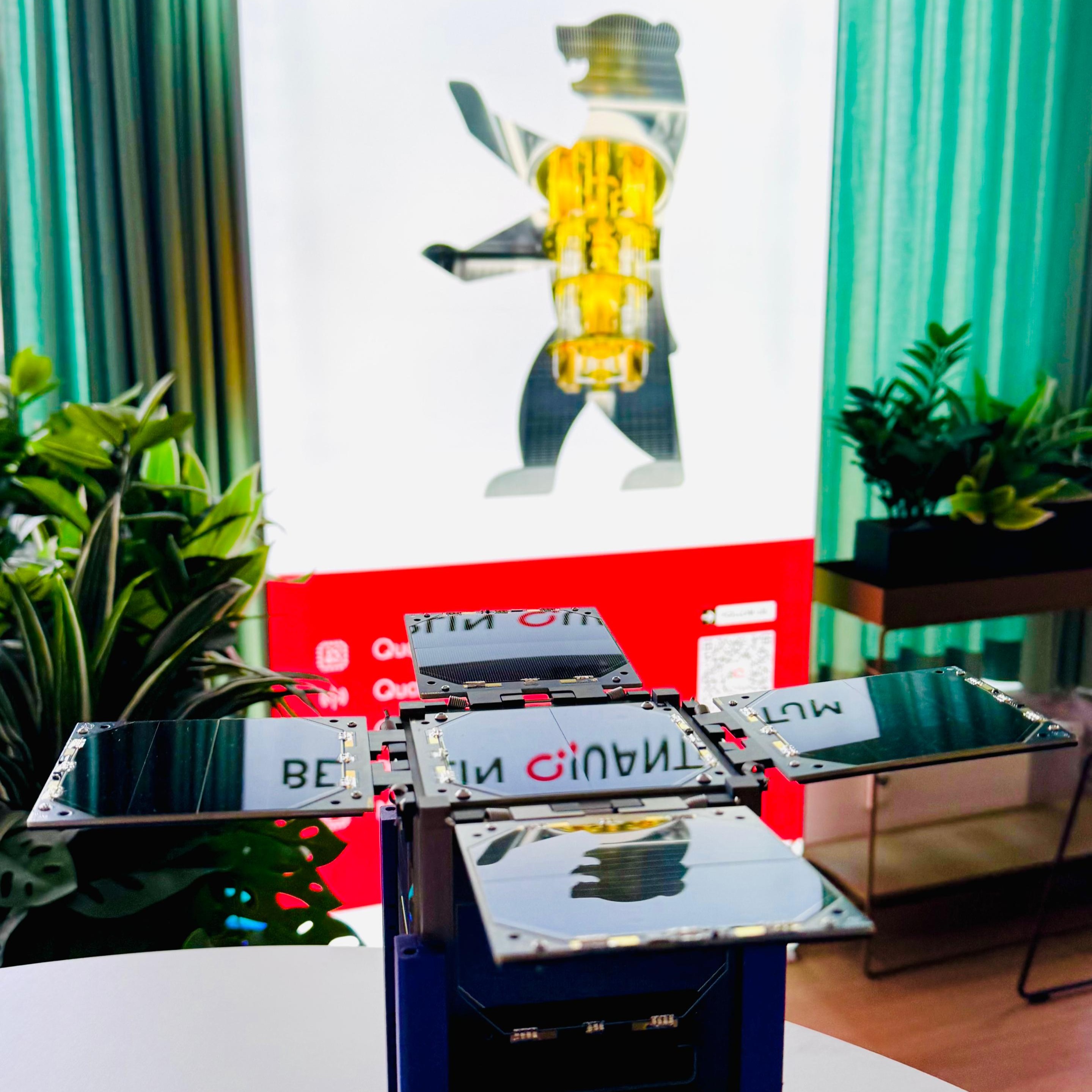
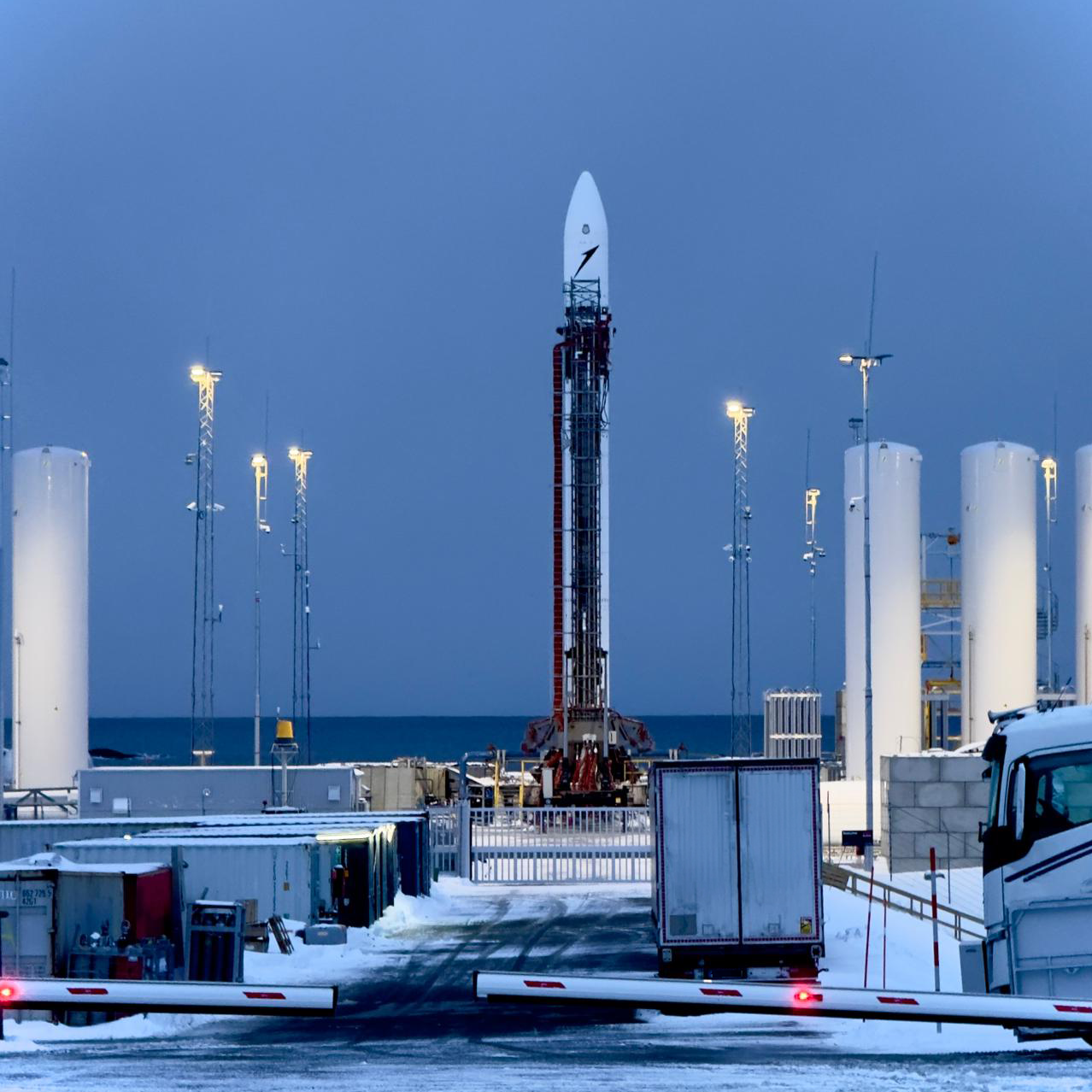
- CyBEEsat continues this path and will bring several of these ideas into orbit: it focuses on on-board cybersecurity for small satellites and carries a research payload from the Universität Potsdam investigating novel perovskite solar cells under real space conditions. The satellite is scheduled to launch on an upcoming Spectrum flight of Isar Aerospace and is expected to become the first German satellite launched on a European commercial microlauncher. 🇪🇺🇩🇪
These missions are part of a much larger heritage. Since the launch of TUBSAT A in 1991, the Chair of Space Technology at Technische Universität Berlin has contributed to 32 satellite missions (including TUBSAT 22, TUBSAT 28 and TUBSAT 29), on which I had the privilege to work.
None of this would have been possible without the engineers, researchers, students and partners behind these missions. My sincere thanks go to Prof. Enrico Stoll and Prof. Klaus Brieß for their trust and mentorship, all my colleagues, and to the Deutsche Raumfahrtagentur im DLR, particularly Björn Gütlich, Arianit Preci, Dr. Siegfried Voigt, Philipp Kampermann and Andres Bolte, for their long standing support of university satellite missions in Germany.
Programs like these have enabled generations of students to gain hands-on experience in building and operating spacecraft and helped keep Germany’s door to space open for research and innovation.
I will continue working on exciting CubeSat missions through my startup Quantum Galactics GmbH together with long time colleagues and partners including TU Berlin.
Berlin, Germany and Europe have built a remarkable ecosystem for small satellite missions. I am proud to have been part of this journey and excited to see where the next generation of missions will take us. 🚀✨
Post from the Author:
🔖 Hashtags
#Space #CubeSat #NewSpace #SpaceEngineering #SmallSat